About us
The European Social Research Unit (ESRU) is integrated in the Department of Social Anthropology of the University of Barcelona, and works closely with the Research Group on Gender, Identity and Diversity (GENI). Dedicated to developing applied and academic anthropological research in the fields of identity, discrimination, othering and social control, the ESRU provides a strategic, integrated approach to understanding sex-gendered constructs, racism and racialized identities, and migration processes. Currently, at the ESRU, we are conducting research on the specific areas of online hate speech, LGBT-phobia, asylum processes, and victims’ support systems. The research undertaken by the ESRU stems from the ethnographic tradition of anthropology, adopting the intersectional approach whilst reconciling the in-depth conceptual debate with a pragmatic analytical framework, allowing for our findings to go beyond analysis to produce applied outcomes.
Staff Members
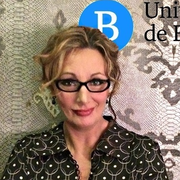
Dr. Olga Jubany
Full Professor Director of the European Social Research Unit
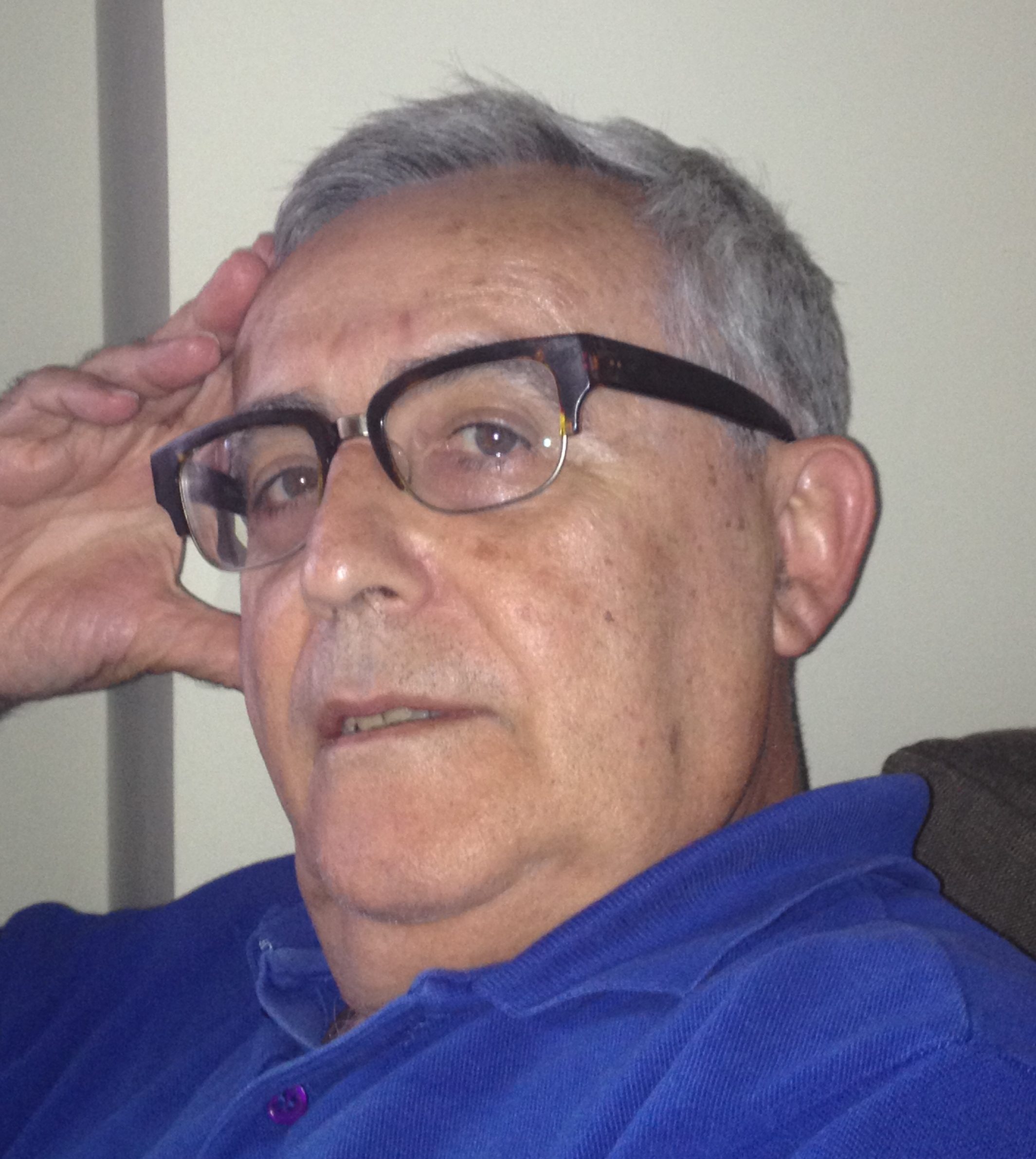
dr. Joan Bestard Camps
Professor Emeritus
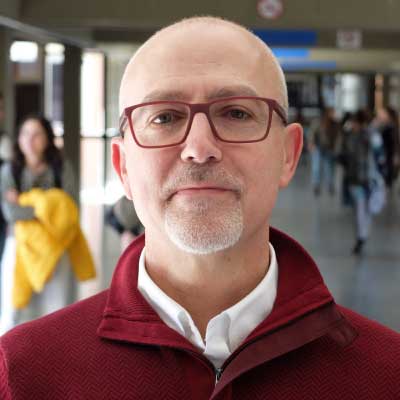
dr. oscar guasch
senior lecturer
DR. Rosa Lázaro Castellanos
Researcher and lecturer

Dr. fabiola mancinelli
Researcher and Lecturer
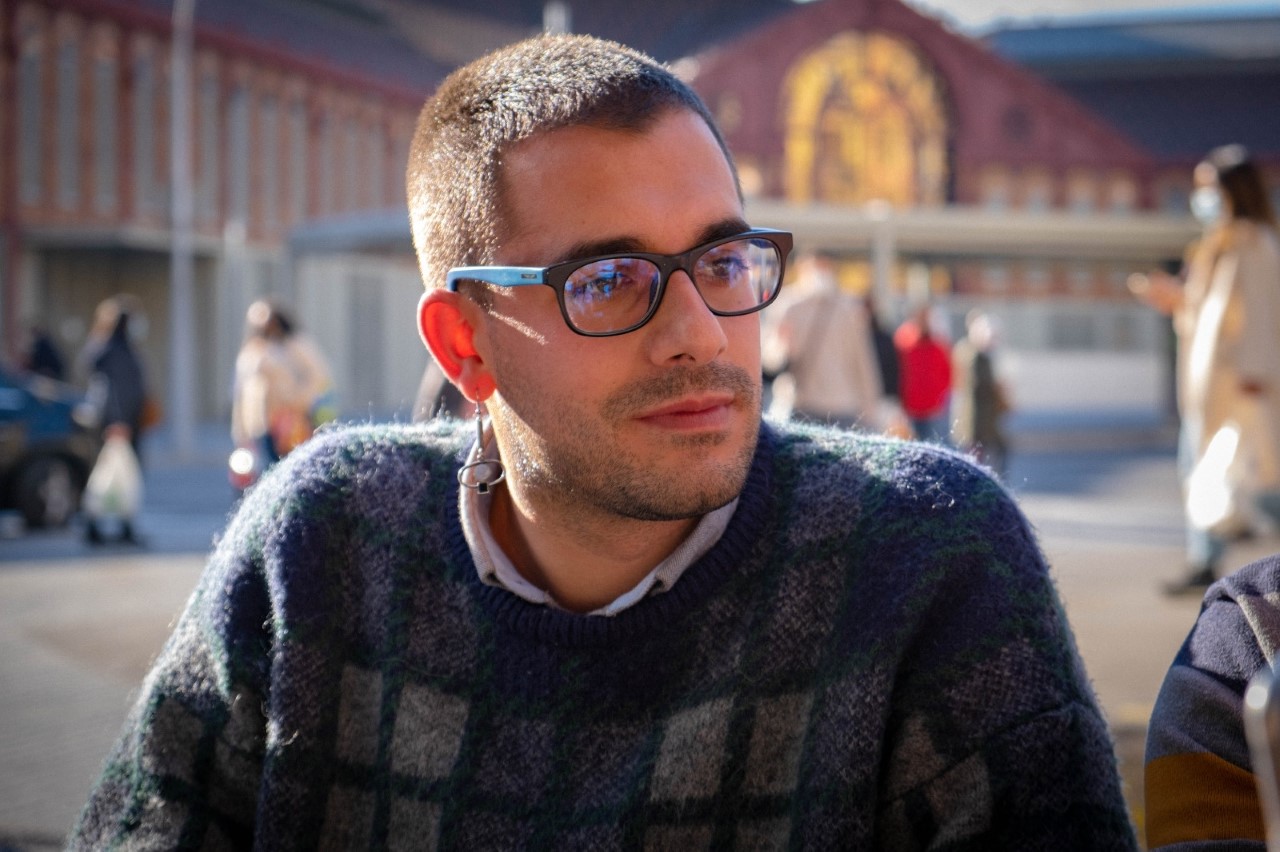
dr. ignacio elpidio domínguez
Researcher and lecturer
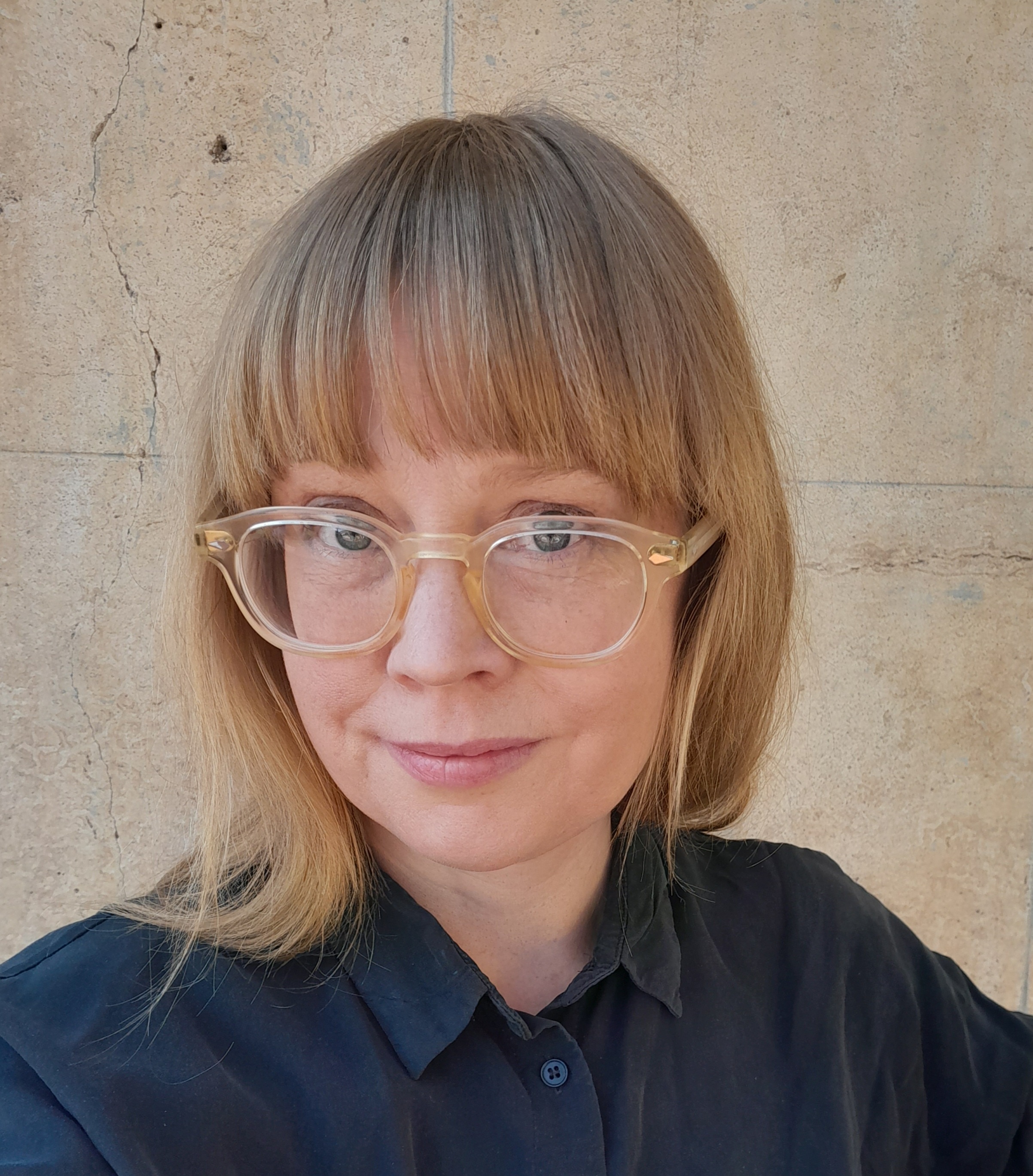
Malin Roiha
PhD Researcher
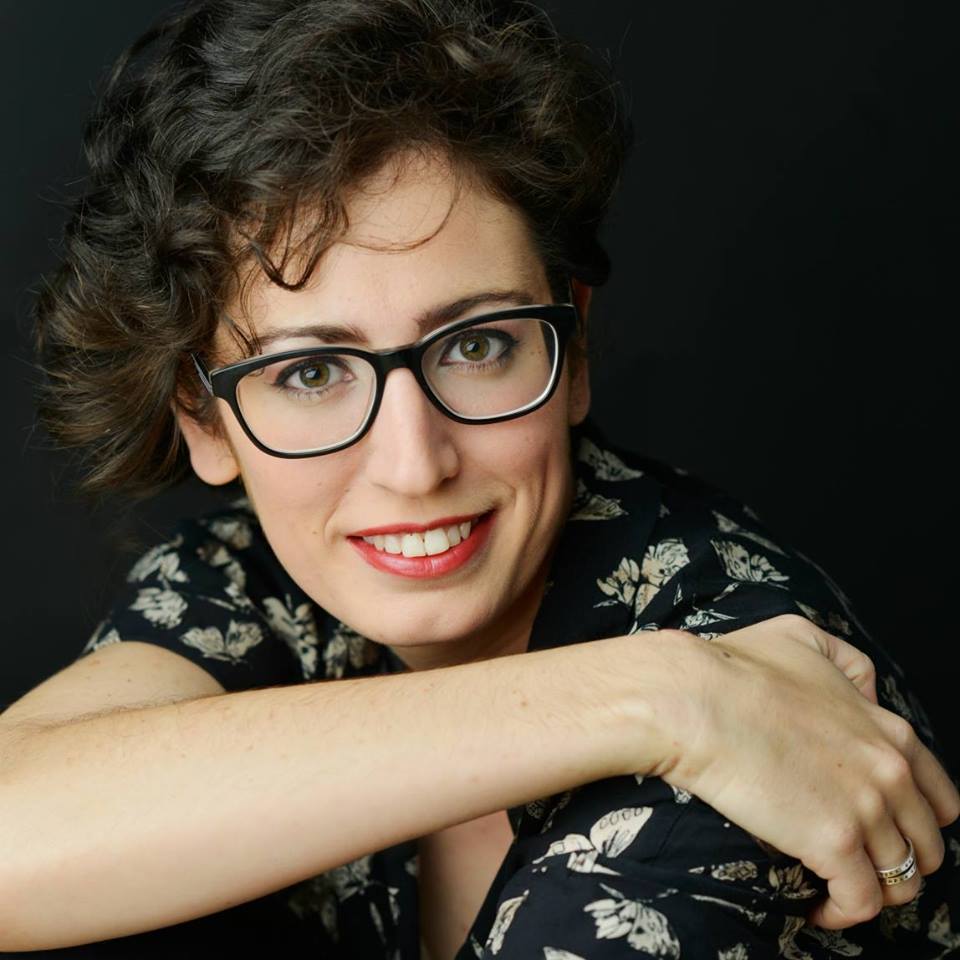
dr. Alèxia Rué
postdoc Researcher
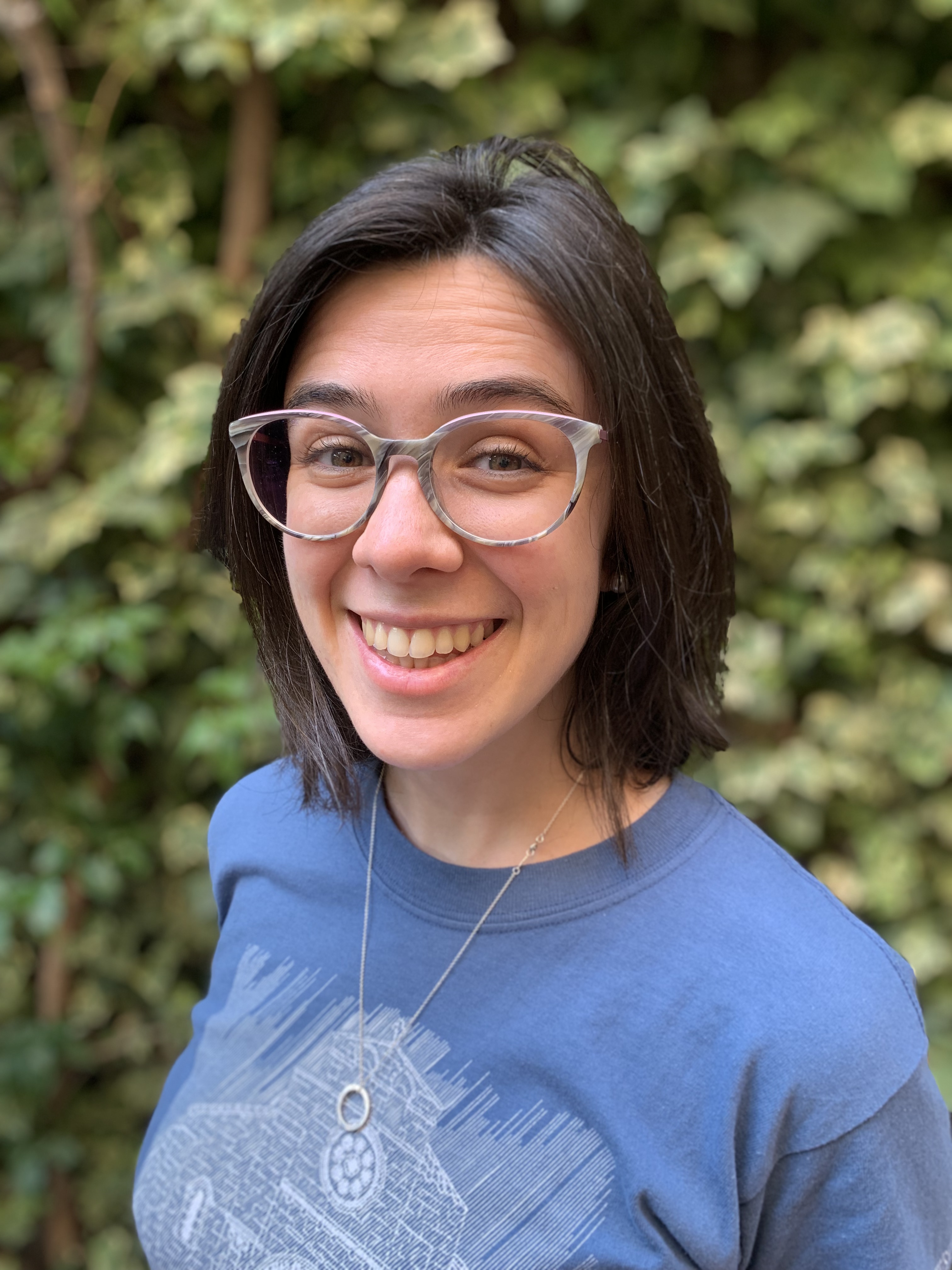
dr. emma fàbrega domènech
postdoc researcher
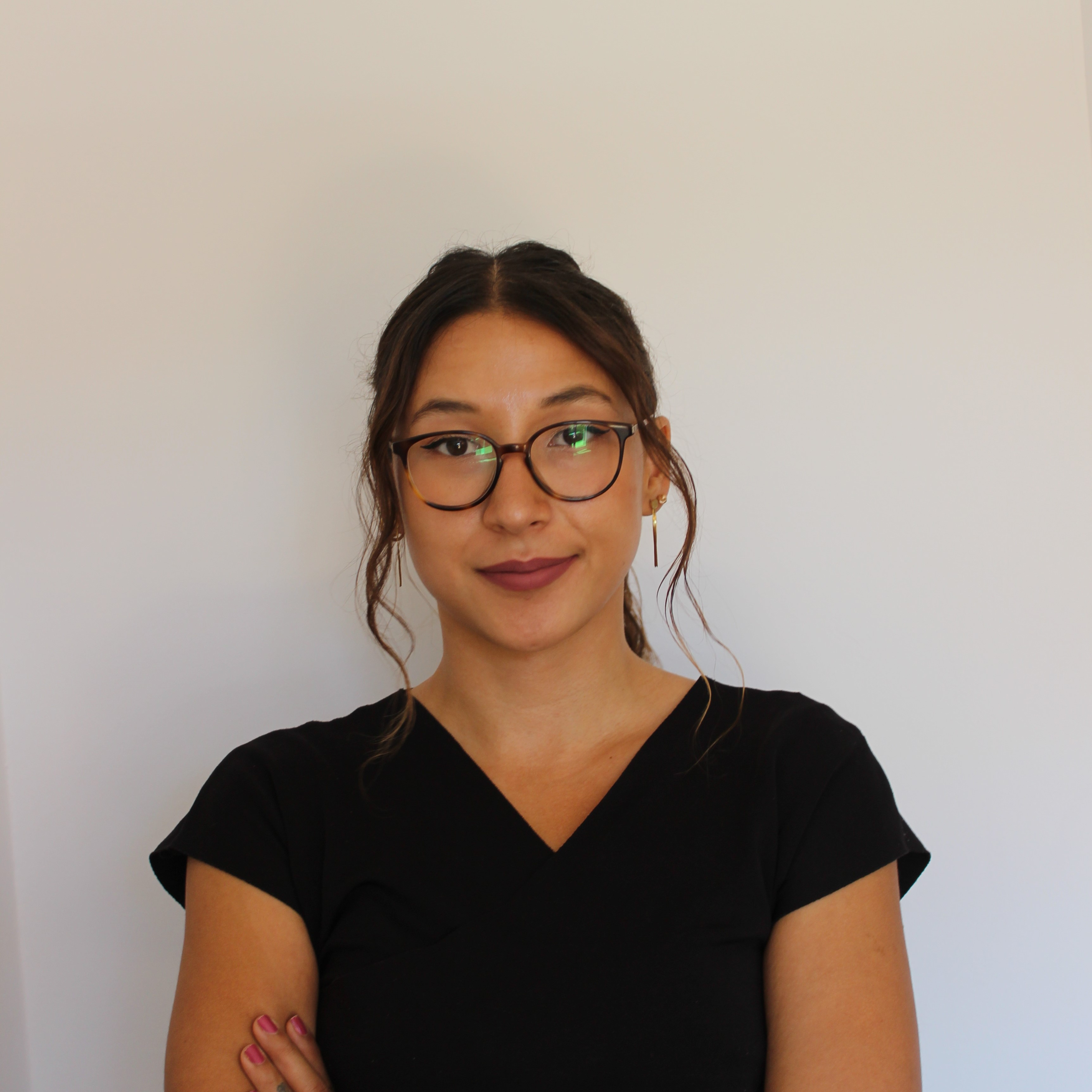
dr. sevda tunaboylu
juan de la cierva postdoc researcher
Research Projects
Publications
Mancinelli, F. (2022) Reseña de The World is Our Classroom. Extreme Parenting and the Rise of Worldschooling, de Jennie Germann Molz. Journal of Tourism and Cultural Change, ahead-of-print(ahead-of-print), pp. 1–2
Mancinelli, F. (2022) Digital Nomads. Encyclopedia of Tourism Management and Marketing, Edward Elgar Publishing Ltd., pp. 957-960
Brigidi, S; Mancinelli, F.; Leyva-Moral Juan M.; Ausona Bieto, M. (2022) Privilegios, género y ‘dignidad del tiempo’ en mujeres-madres-trabajadoras en la época de la covid-19. Dins Alberto del Campo Tejedor (eds) La vida cotidiana en tiempos de la COVID. Una antropología de la pandemia. Los Libros de la Catarata, pp. 141-155
Guasch, Ò. (2022) La sociedad rosa (30 años después). Barcelona: Edicions Bellaterra.
Guasch, Ò. (ed.) (2022) Salir del armario en la universidad. Barcelona: Edicions Bellaterra.
Jubany, O., Rué, A. (2020) The [dis]order of the Spanish asylum reception system. In Sacramento, O., E. Challinor, & P.G. Silva, (Eds.) Quest for refuge: Reception responses from the Global North. Famalicão: Humus.
Jubany, O. and Güell, B. (2018) “Neighbourhoods’ services and social exclusion of young people in European cities”. In Local Matters: Youth in European Neighbourhoods. Social infrastructure and inequalities. Eds.: Simon Güntner/ Louis Henri Seukwa/ Anne-Marie Gehrke/ Jill Robinson. Publisher: Peter Lang, Frankfurt am Main
Jubany, O. (2018). “Unmasking the cultural construction of asylum screening at borders”. in Vecchio, F. i Gerard, A, Entrapping Asylum Seekers. Londres: Palgrave MacMillan.
Jubany, O. and Roiha, M. (2018) Las palabras son armas. Discurso de odio en la red. Barcelona: Edicions UB.
Jubany, O. (2017). Screening asylum in a culture of disbelief: Truths, Denials, and Skeptical Borders. Londres: Palgrave MacMillan.
Langarita Adiego, J.A. and Mas Grau, J. (2017). “Antropología y diversidad sexual y de género en España. Hacia la construcción de una especialidad disciplinaria”. Revista de Dialectología y Tradiciones Populares, 72 (2), pp. 311 -334.
Lázaro Castellanos, R., & Jubany Baucells, O. (2017). Interseccionalidad del género y mercado de trabajo postfordista. La ventana. Revista de estudios de género, 5(46), 202-243.
Mas Grau, J. (2017). “Del transexualismo a la disforia de género en el DSM. Cambios terminológicos, misma esencia patologizante”. Revista Internacional de Sociología, 75 (2), pp. e059.
PARTNERS
CONTACT
European Social Research Unit
Department of Social Anthropology
University of Barcelona
Montalegre, 6-8. 08001 Barcelona, Spain
esru@ub.edu