

Formació
del professorat
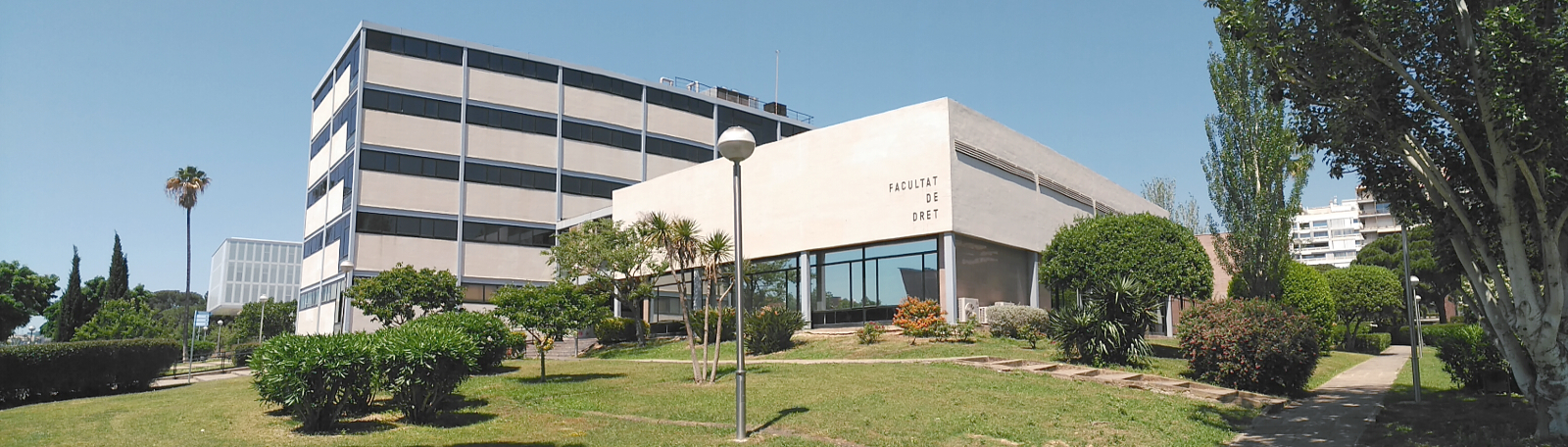
BENVINGUTS A LA FACULTAT DE DRET





Jornades de Sortides Professionals de la Facultat de Dret 2024: 16 i 17 d'abril
TERMINI D'INSCRIPCIÓ: 15 d'abril de 2024
Sant Jordi i Setmana Cultural 2024
Beca de col·laboració amb el Vicedeganat d'Ordenació Acadèmica i Docència
TERMINI DE SOL·LICITUD AMPLIAT: 22 d'abril de 2024
Beca de col·laboració amb el Vicedeganat de Relacions Internacionals i Recerca
TERMINI DE SOL·LICITUD AMPLIAT: 22 d'abril de 2024
TERMINI DE SOL·LICITUD: 18 d'abril de 2024
18 abr. de 9:00 a 18:00. Seminari «Pornografía y violencia sexual entre menores de edad»
TERMINI D'INSCRIPCIÓ: 20 d'abril de 2024
TERMINI D'INSCRIPCIÓ: 21 d'abril de 2024
25 abr. de 9:00 a 14:30. «Trobada Dret i Salut: Violència sexual, parlem sense embuts»
TERMINI D'INSCRIPCIÓ: 24 d'abril de 2024
Del 26 al 28 abr. National Council Meeting d'ELSA Spain
TERMINI D'INSCRIPCIÓ: 29 de març de 2024
27 set. Conferència internacional «Inteligencia artificial y educación superior»
TERMINI CALL FOR PAPERS: 30 d'abril de 2024
18 abr. de 9:00 a 18:00. Seminari «Pornografía y violencia sexual entre menores de edad»
TERMINI D'INSCRIPCIÓ: 20 d'abril de 2024
TERMINI D'INSCRIPCIÓ: 21 d'abril de 2024
25 abr. de 9:00 a 14:30. «Trobada Dret i Salut: Violència sexual, parlem sense embuts»
TERMINI D'INSCRIPCIÓ: 24 d'abril de 2024
Del 26 al 28 abr. National Council Meeting d'ELSA Spain
TERMINI D'INSCRIPCIÓ: 29 de març de 2024
27 set. Conferència internacional «Inteligencia artificial y educación superior»
TERMINI CALL FOR PAPERS: 30 d'abril de 2024
Del 17 al 27 abr. de 18:00 a 21:00. «41è Curs de Drets Humans»
16 abr. de 15:00 a 16:30. Conferència «International Taxation 2024: US an EU perspective»
Jornades de Sortides Professionals de la Facultat de Dret 2024: 16 i 17 d'abril
TERMINI D'INSCRIPCIÓ: 15 d'abril de 2024
Sant Jordi i Setmana Cultural 2024
Beca de col·laboració amb el Vicedeganat d'Ordenació Acadèmica i Docència
TERMINI DE SOL·LICITUD AMPLIAT: 22 d'abril de 2024
Beca de col·laboració amb el Vicedeganat de Relacions Internacionals i Recerca
TERMINI DE SOL·LICITUD AMPLIAT: 22 d'abril de 2024
TERMINI DE SOL·LICITUD: 18 d'abril de 2024
Sorteig de 8 entrades dobles per a la preestrena del documental «Les del criquet»
Beca de col·laboració amb el Vicedeganat de Relacions Institucionals i Transferència de la Facultat
TERMINI AMPLIAT: 14 de març de 2024
Comunicat de l’equip deganal de la Facultat de Dret
Diverses beques de col·laboració amb la Facultat de Dret (termini: 9 oct.)
Inici de les classes dels graus de la Facultat
Tres beques de col·laboració de suport a la matrícula de la Facultat (termini: 10 jul.)
Obertura extraordinària per exàmens del CRAI Biblioteca de Dret
Guia sobre Participació pública en medi ambient
Convocatòries 2020 de correcció de materials docents escrits en català i anglès
Matricula’t a Rosetta Stone fins el 30 d’abril: aprèn fins a 25 llengües en línia!
Quatre beques de col·laboració amb la Facultat de Medicina
TERMINI: 5 de març de 2024
Benvinguda institucional al nou alumnat de programes de mobilitat internacional
Catalonia Model United Nations (CMUN) del 25 a 28 d’abril de 2024
TERMINI D'INSCRIPCIÓ: 5 d'abril de 2024
23 de febrer de 2024
Mostra bibliogràfica sobre Dret i aigua al CRAI Biblioteca de Dret
Fins el 26 de febrer
Fins el 27 de febrer
La professora de la Facultat Laura Chaqués Bonafont, nomenada directora de l’IBEI
Mostra bibliogràfica sobre Dret internacional privat al CRAI Biblioteca de Dret
Traspàs del doctor Juan-Ramón Capella
La razonabilidad como criterio de resolución de las antinomias tributarias
Doctorand: Jose Luis Salinero Cano
Doctoranda: Yuanting Zhao (data de defensa pendent)