

Four Researchers from the UB School of Economics awarded by the State Research Agency
Four researchers from the UB School of Economics have been recognized with “Consolidación Investigadora 2023” programme by the State Research Agency and Mini...

Four researchers from the UB School of Economics have been recognized with “Consolidación Investigadora 2023” programme by the State Research Agency and Mini...
The UB School of Economics is pleased to introduce 24 new researchers who have joined our faculty in 2023 and early 2024. Cristina Belles: Cristina joined the Department ...
The 5centims.cat blog, created in 2021 by the Catalan Society of Economics, celebrates the publication of article 250 at our Faculty. In the celebration of this milestone...
The Summer School 2024 at the UB School of Economics will focus on the global challenges in the 21st Century regarding the economics of poverty and inequality. Nicolai Su...

MASTER IN ECONOMICS |
The perfect program for new graduated students to develop their research skills
more info |

PhD IN ECONOMICS |
Addressed to students interested in pursuing advanced study and conducting original research in Economics
more info |

SUMMER SCHOOL 2024 |
The Economics of Poverty and Inequality: Global Challenges in the 21st century
more info |
"The UB’s MSc in Economics taught me a lot of interesting and useful things that I’m sure will be appropriate for continuing my studies whether in Spain or another country. Many thanks to the UB´s teaching staff for showing us that difficult things only appear to be so"

“If you want to go a step further in economic thinking, this program is the perfect one. The friendly and professional environment makes this experience easy and incredible. It requires hard work , but the reward is huge.”
"UB MSc in Economics gave me the opportunity to increase my knowledge and to apply the models in the real economy, working in an international and challenging environment."
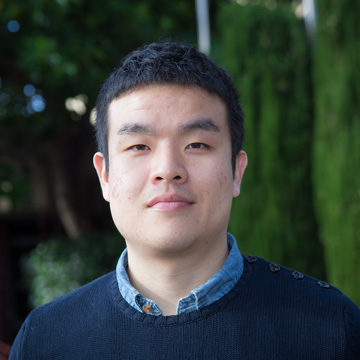
“The detailed guidance of my supervisor coupled with the dynamic research environment at the department would undoubtedly bring out the best in me”
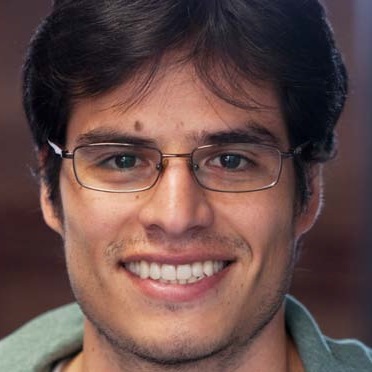
“The competitive environment and the guidance and support of my supervisors boost me to excel in my research every day."
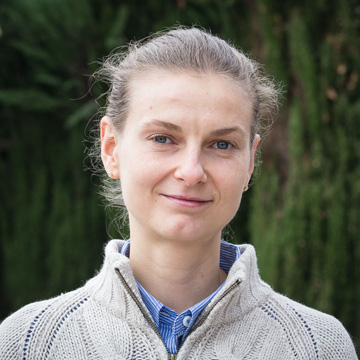
“Significant flexibility in choosing elective courses, from advanced classes in microeconometrics to theoretical course in dynamic economics.”