Detail
Migration and Mental Health: 30 Years of Commitment from SAPPIR
On April 10th, the Faculty of Psychology at the University of Barcelona hosted an intercultural debate to commemorate the 30th anniversary of SAPPIR (Psychopathological and Psychosocial Care Service for Immigrants and Refugees). Founded in 1994 by Professor Joseba Achotegui, this pioneering service has been, since its inception, a space of welcome, listening, and care for thousands of people who have had to rebuild their lives far from home.
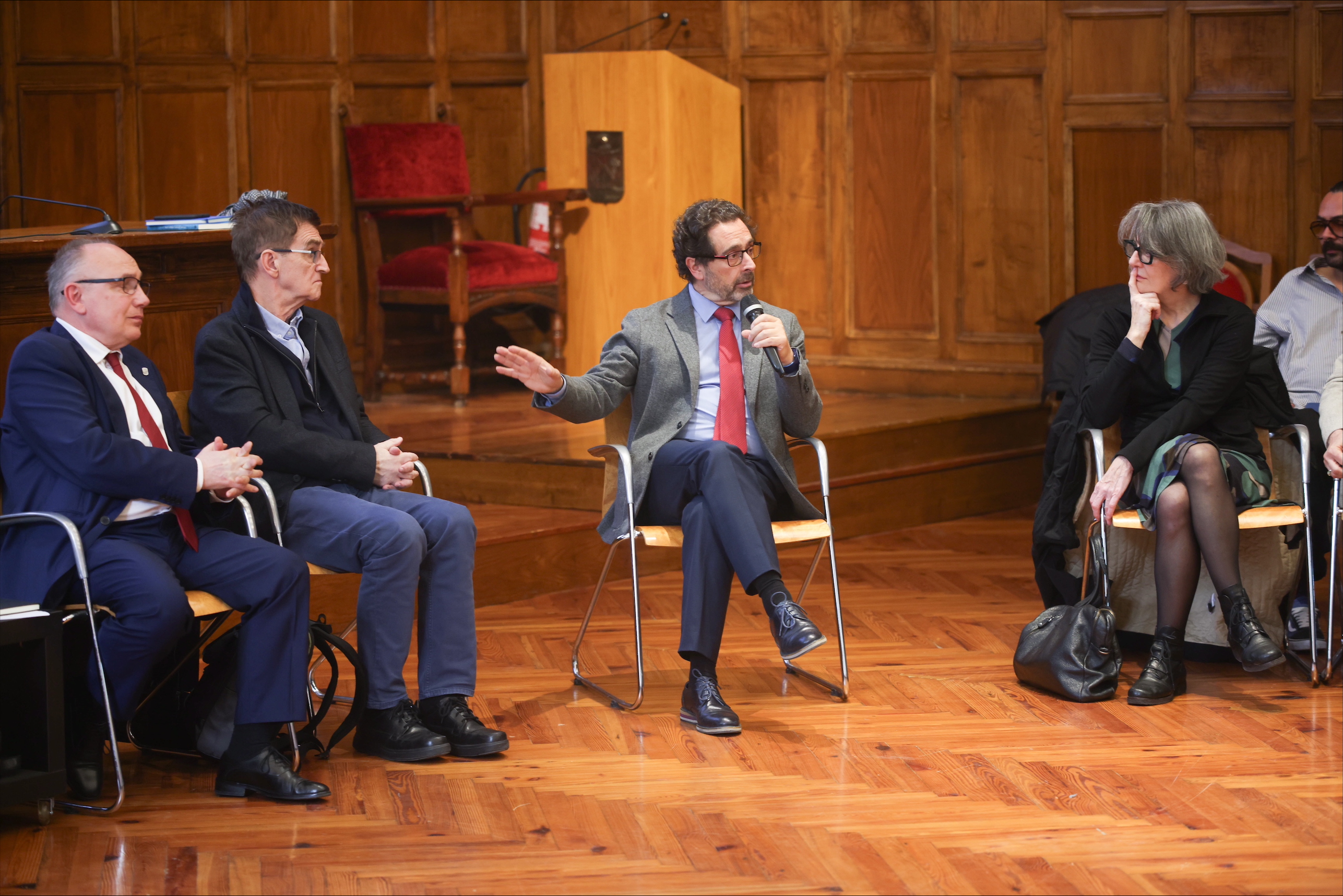
Held in the Aula Magna of the Historic Building, the event brought together over sixty voices —mental health professionals, academics, community leaders, and migrants— who shared reflections and experiences on the current challenges at the intersection of migration and mental health. Beyond statistics and diagnoses, the debate aimed to give visibility to a reality that is often silenced: the emotional and psychological suffering caused by migratory processes marked by uncertainty, loneliness, precariousness, or racism.
SAPPIR was the first service of its kind in Spain, linked to the University of Barcelona and the Hospital Sant Pere Claver, and it has played a key role in the development of theories such as migratory grief and the identification of the Ulises Syndrome —a form of extreme chronic stress affecting many migrants in highly vulnerable situations.
The debate was structured into four main thematic blocks, addressing the relevance of this syndrome today, advances in clinical and social research, barriers to accessing mental health services, and future perspectives. A shared concern emerged throughout the event: the need to continue breaking down silences and barriers to ensure mental health care that is dignified, accessible, and culturally competent.
With this event, the University of Barcelona reaffirms its commitment to building a fairer, more inclusive, and diverse society that pays close attention to vulnerability. At the same time, it celebrates three decades of a service whose core values have always been respect, proximity, and dignity.